General IT
- DrayTek SmartVPN for Remote Dial-In Users
- Setting up Google API for Routing and Mapping
- Cyber Security
DrayTek SmartVPN for Remote Dial-In Users
You are able to utilise a remote dial-in user to connect yourself to a remote network. Doing so allows you to work as if you were at that site in most cases.
Calculus support and offer this service where the routers are leased from us, simply send a request to the support team.
Installing the App
Download the SmartVPN Client from the DrayTek website for your platform.
Calculus can only provide support for Windows applications, but others do work. This guide covers Windows setup only.
Once you have downloaded the zip file, extact it to your desired location. You'll be presented with 2 files:

Run (by double-clicking) the SmartVPNClient_X.X.X.msi where X.X.X is the downloaded version. The file is a Windows Installer Package and is highlighted above. You will need administrative rights to install this.
You will be presented with the following screen, press Next.
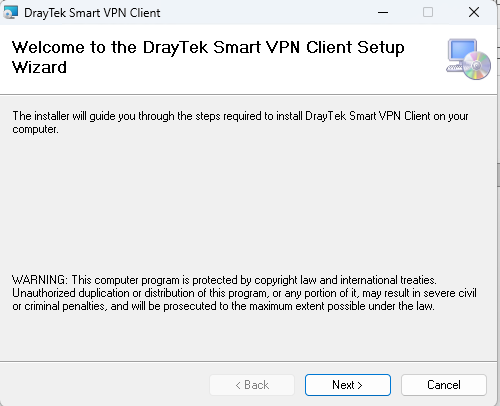
This will install the app, once completed press the Close button.
Running the App
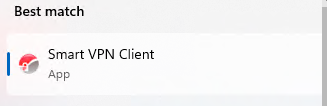
You'll find a Smart VPN Client in your start menu, click to open and run.
First Run
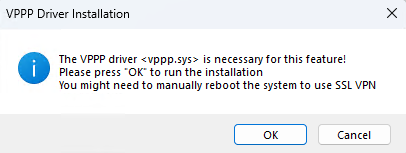
The first time you run the application, you may be prompted to install the VPPP driver "vppp.sys" - press OK to install, it is a required feature for some VPN types.
Configuring a VPN Profile
You can have multiple VPN profiles, but may only be connected to one at once.
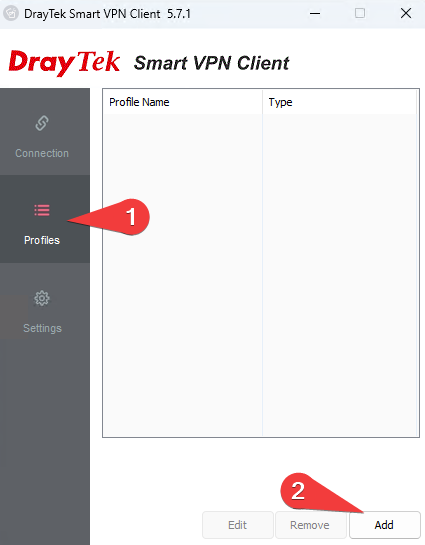
Select Profiles on the left-hand side, and press the Add button.
|
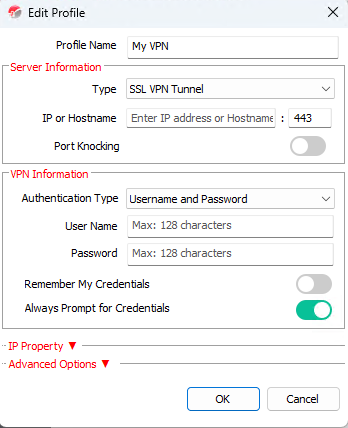
Enter a sensible profile name, this is purely what you will select to connect to.
The details below are for our most commonly used VPN types. If you need another type, details will be provided to you as required.
Server Information These details will be provided to you by the support team. Select the relevant type. Typically, SSL VPN or IPSec VPN types are what is used.
VPN Information These details will also be provided to you by the support team, enter them in the relevant fields. If using mOTP and SSL, the token and PIN will be provided to you.
You may opt to remember your credentials here, which will mean you do not have to enter them every time. Make sure you turn off
IP Property Only make changes in here if expressly instructed.
Advanced Options Only make changes in here if expressly instructed. |
|
Connecting to the VPN
Once your profile is setup, you can then connect to it.
On the connect tab, ensure your Active Profile is selected in the dropdown, and toggle the Connect button.
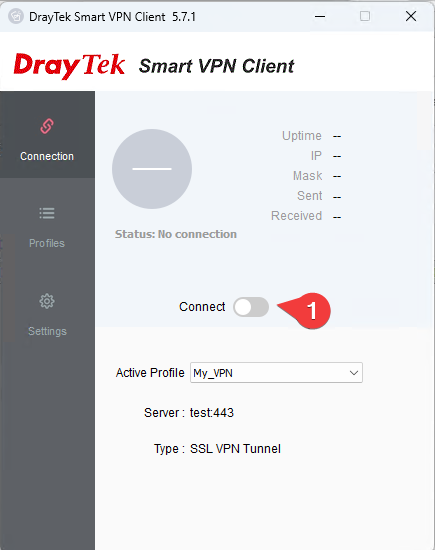
If this errors at all, please ensure you provide the support team with the error for diagnosing the issue.
Other Useful Settings
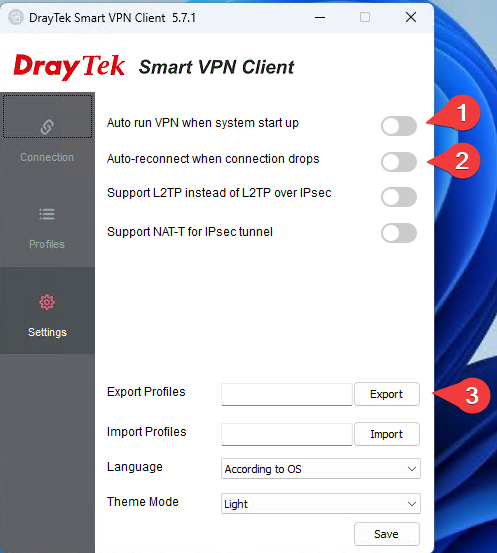
These can only be changed when you do not have a VPN connected.
|
1. Enable this option to have the Smart VPN Client start with your system.
2. Enable this option to have the Smart VPN Client attempt to reconnect in the event your VPN loses connection at all.
3. Press |
|
Setting up Google API for Routing and Mapping
Introduction
These instructions are designed to guide customers through obtaining a Google API Key, which is then used through NCompass to use the mapping feature.
Adding Google API's to Google Account
Create User / Sign In
Open an internet browser on your computer and go to the following URL: http://console.developers.google.com

If you already have a Google Account enter your email address and click Next. Alternatively click the Create account option to create a new account.
Create Project
When you have created an account / logged into the Google Developers Console, click on Select a project at the top of the screen.
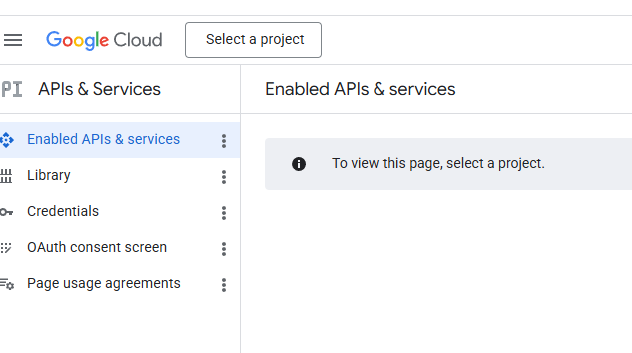
Click on New Project (at the top right). You are required to create a new project before you can use the Google APIs. Set the project name as ‘Route Mapping’ or something similar. Click on Create. Your web browser will now redirect to the Enabled API's & services page.
Enable API's
On the Enabled API's & services, you will see a list of API's available down the screen. If you don't see this, press Enabled API's & services on the left hand side of the screen
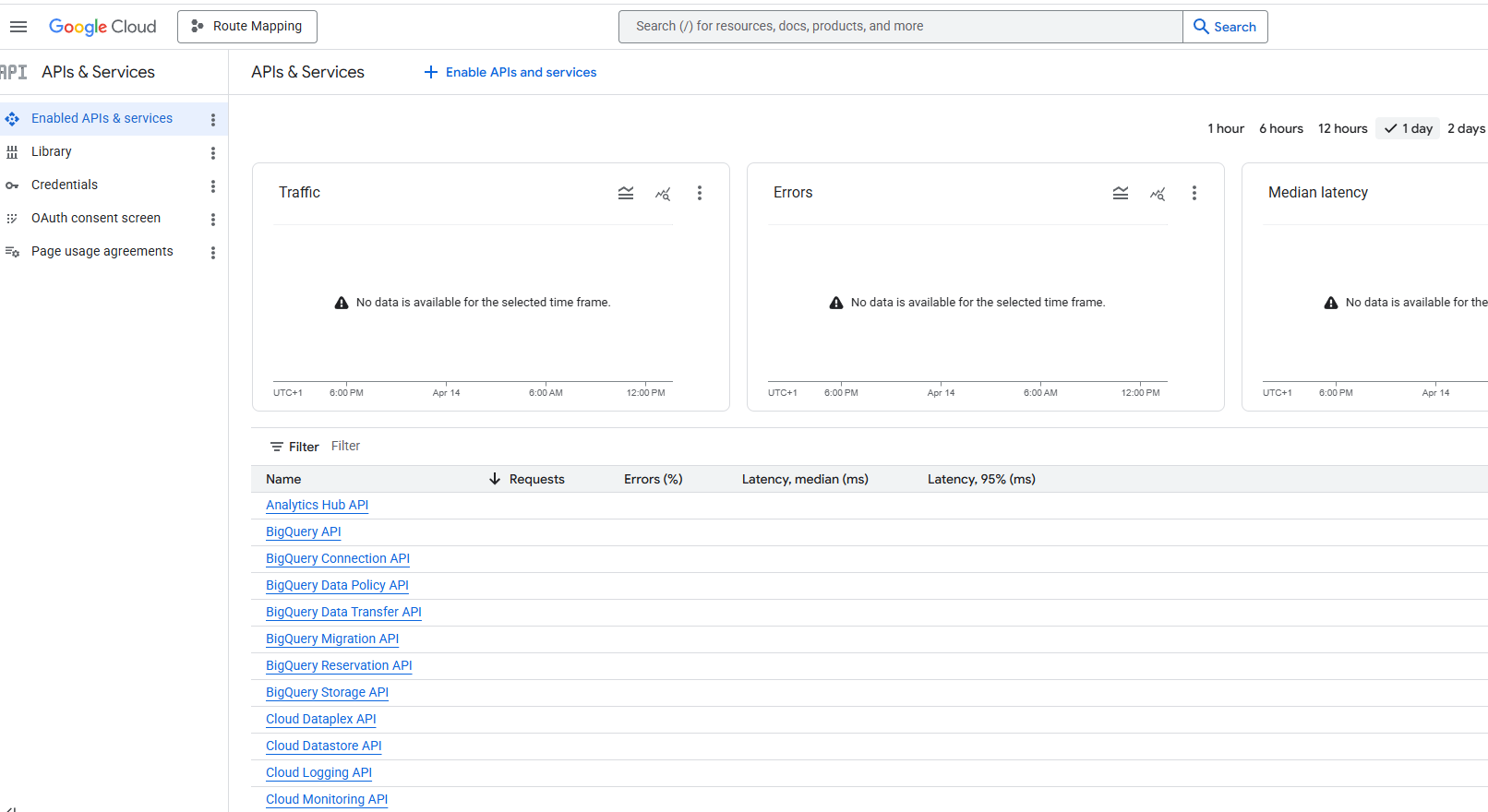
At the top of the screen, press the + Enable APIs and services (or you can press the Library button on the far left) and use the search box to enable the following APIs:
- Maps Static API
- Directions API
- Maps JavaScript API
- Geocoding API
Search for Maps Static API and press the Maps Static API button, then on the next screen, press enable
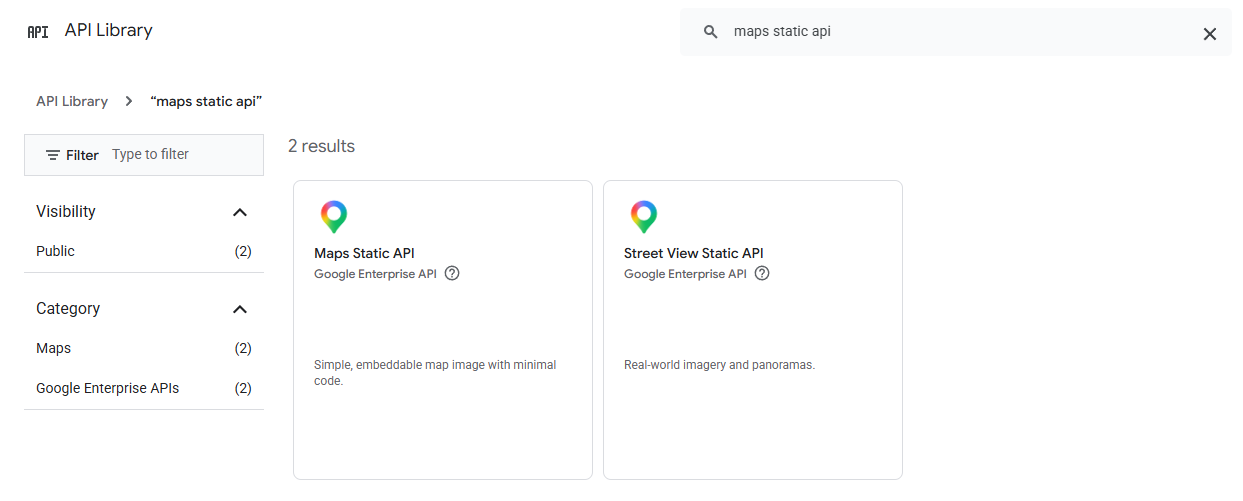
After pressing Enable, it will ask for account information. The first page is to confirm the country from a dropdown list. Once selected, press Agree & continue.
The second page will ask for contact information and a payment method. Put your company address, save and then add your preferred payment method e.g. credit / debit card
Google requires a payment card to be able to use the Google API features. However, they do have a $200 free usage every month, and the NCM usage should not come close to hitting any charge thresholds.
If any payment details are incorrect or if the billing information has expired, the API will not work until updated
Repeat the same steps for the other API's in the above list
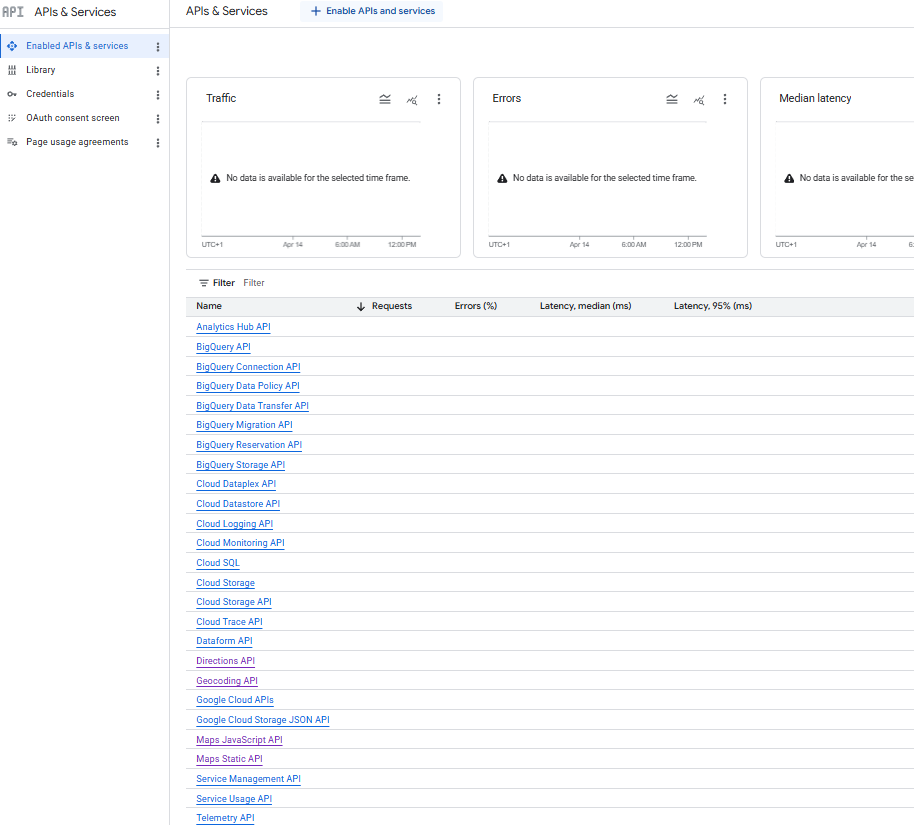
Once you've added the API's you will see them in the list of API's & Services from the Enabled API's & services window
Creating Google API Key
Now you have all the API's required on your account, you need to create an API key that links.
To do this, from the API's & Services page, click on the Credentials button at the left of the screen and then press + Create credentials at the top of the window
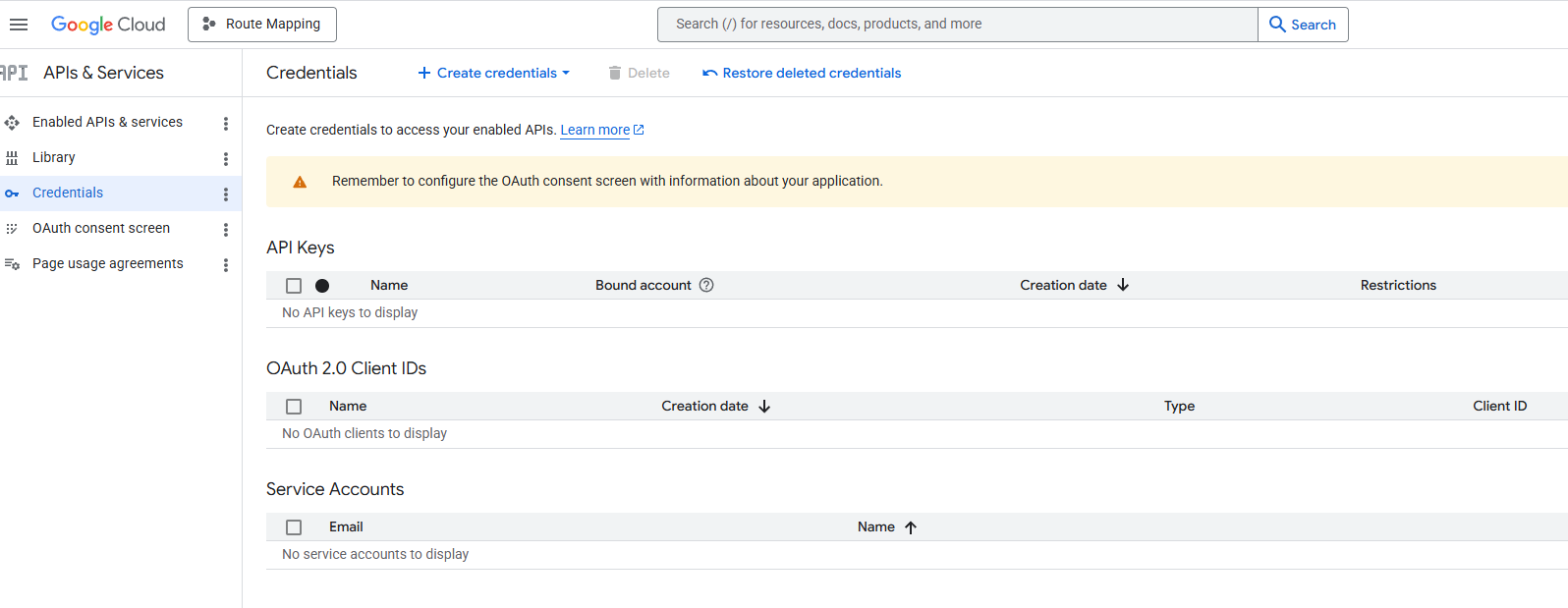
In the dropdown, select API Key
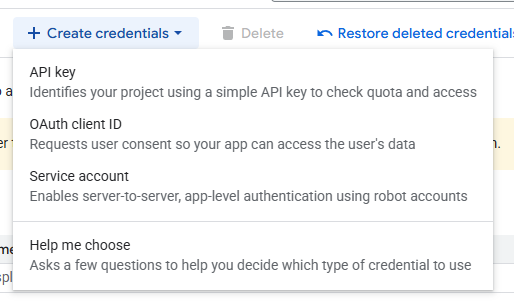
This will then open a side window where you can name the API key and select which API's you want in your key.
Give the API an appropriate name e.g. Google API Key and in the Select API dropdown, tick all 4 API's you added previously:
- Maps Static API
- Directions API
- Maps JavaScript API
- Geocoding API
So the API Key looks like:
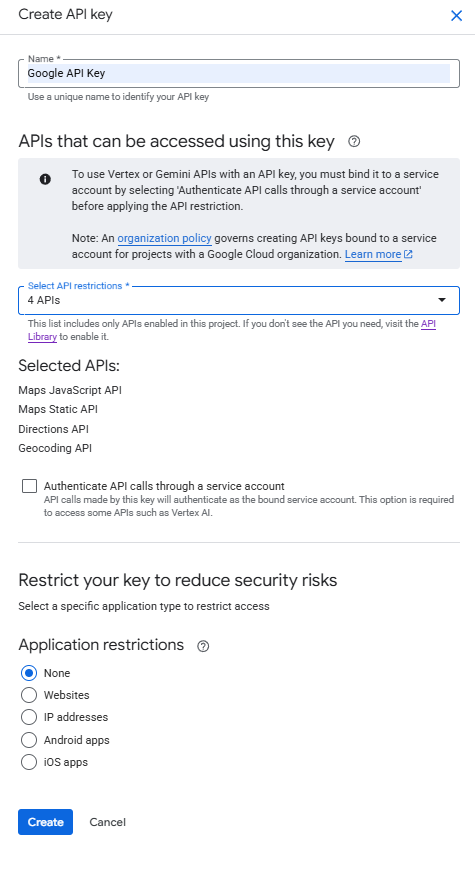
Once this is done, click create, the side window will update and show you your API key.
Please take a copy of this as it will be required later
If you ever need to get a copy again, in the Credentials window where we went first to start creating the API key, you will now see your Google API Key in the list
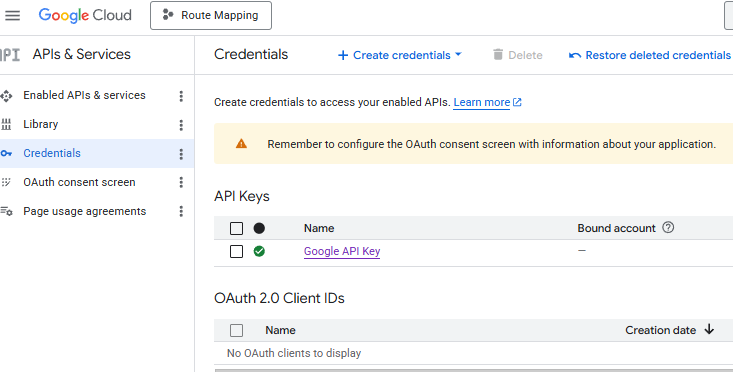
You can click on this link to make any required changes or to see the key again
Adding Google API Key to NCompass
Go to NCompass. You will need to be logged in with administrator access. Click on Tools > Configuration, and then search for ‘Google API’ (ticking the search all groups box). Tick the Global box and paste in the Google API Key. Press Save.

Adding Billing Details
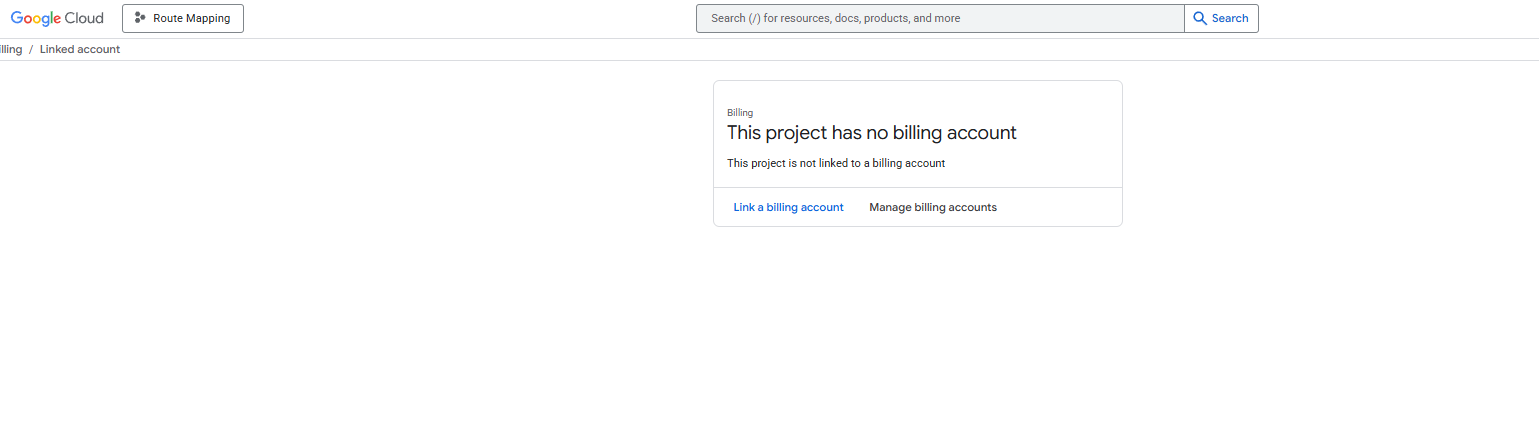
If you didn't add billing details before or if your billing details expire, they need to be added / updated
To do this, go to: https://console.cloud.google.com/
As mentioned above, if any payment details are incorrect or if the billing information has expired, the API will not work until updated
It will likely auto select your route mapping product but if you have multiple, make sure you select the project you created at the start of the guide
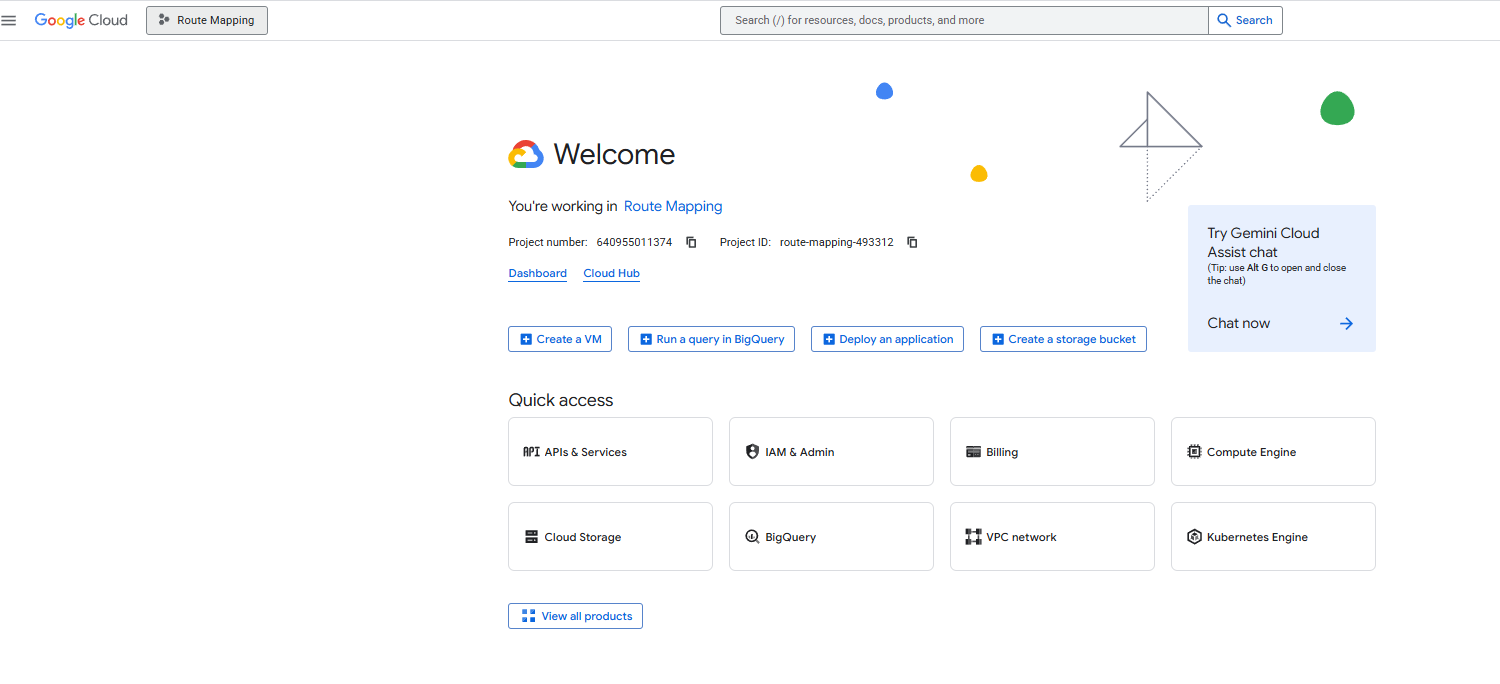
From this Welcome window, click billing and you can select link billing account if not created or Manage billing accounts if renewing card details. From here, fill in or update details as required
Cyber Security
Securing Emails After a Security Breach
In today's world, there are unfortunately bad actors which attempt to infiltrate various systems. AI is making this easier then ever, so its important to remain vigilant, however, some of the attack vectors are so convincing that they can fool anyone.
This article will help you re-secure your account if you do become a victim.
Whilst our focus here is on Microsoft 365 accounts, the principals can be applied to most email providers.
Secure Your Account
|
Login to your Microsoft Account using your email and password |
|
|
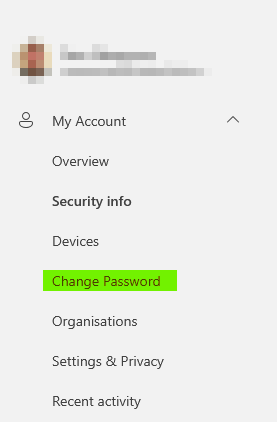
Select to |
|
|
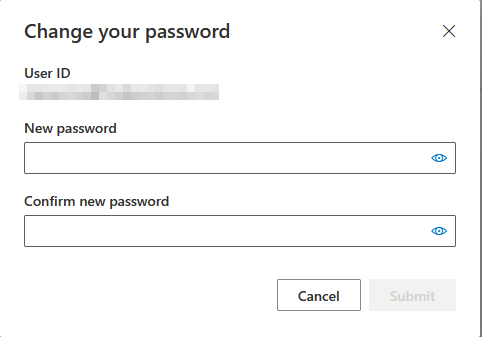
Enter a new password, and confirm it.
A long password is more secure than a complex password. Consider using a passphrase. |
|
|
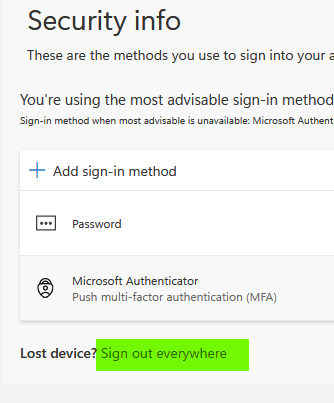
On the
This could take up to an hour to be effective. |
|
|
On the |
|
Check for Email Rules
Often these malicious actors will add in rules to your email inbox to try to hide their activity and to ensure they get the spray to your contacts.
Login to Outlook and navigate to Settings > Email > Rules.
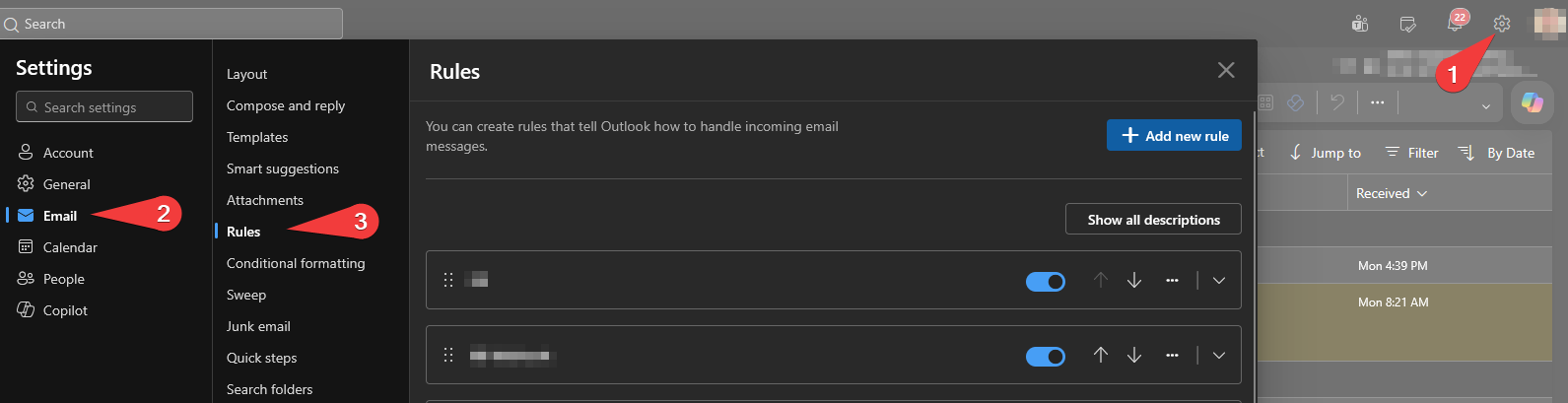
In this window you may seem some rules that look out of place, any rules here should be ones you yourself have added so anything that doesn't look right, delete them. For example, a compromised account may have rules that look similar to the below:
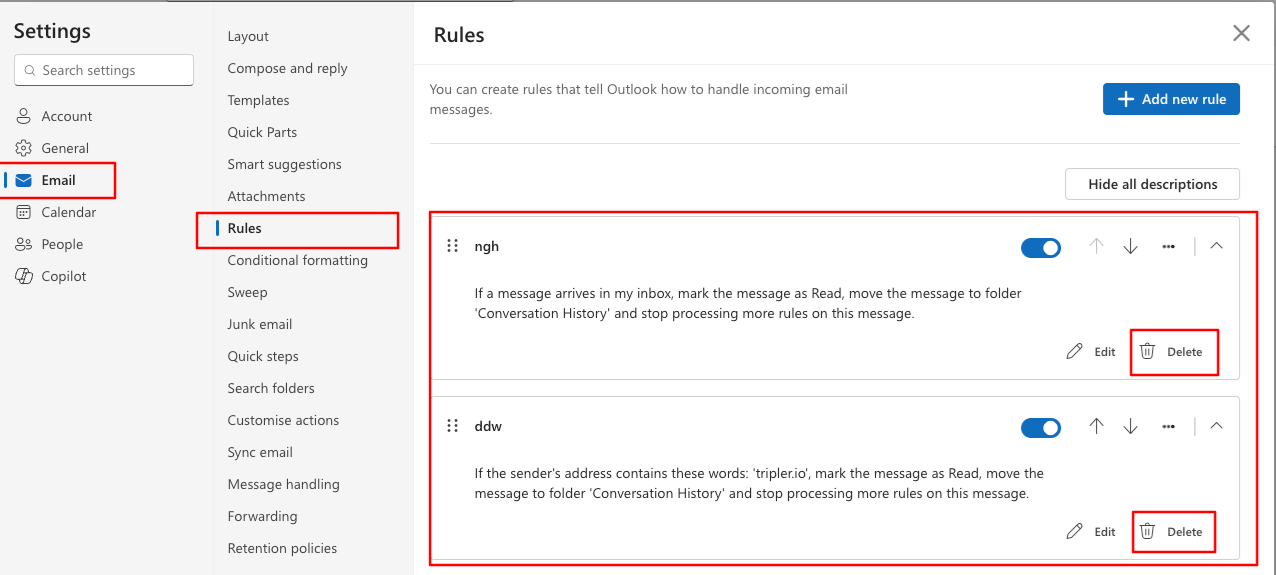
Use the delete button to restore normal operations.
Its important to be aware that these rules are not restricted to the example above. It is better to remove any rules you are not sure of as these can be re-added later.
Contacting Affected Recipients
In your Outlook app, review the Deleted Items folder - you may find a copy of the phishing email that was sent. You'll then want to:
- Reply again to the email
- Remove the malicious links
- Inform the recipients they link was not from yourself and to not click anything.
- Direct them to this page if they require assistance if they have been phished.
Further Support
Contact your email provider if you require further support. Do not delay - its important to move quickly to limit damage potential.